
Updated October 2026. October 2026: proofread; the 2022 IDB report on Caribbean nature-based flood options is added.
In town, a hard shower sends water down the canals and the box drains. If you want dry shoes, you pick another route or you wait.
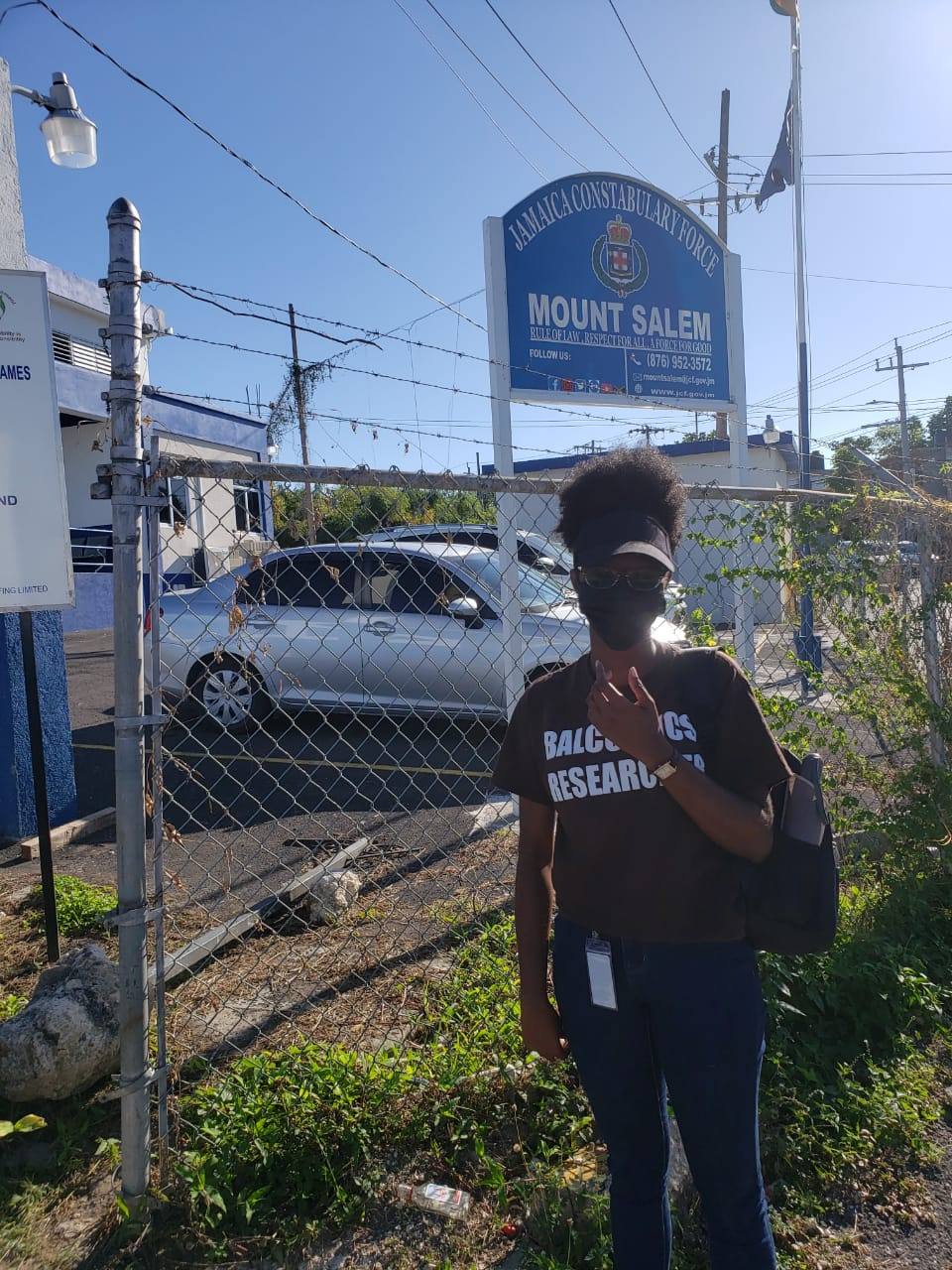
More houses, shops and parking lots have gone in over the years. Rain that once soaked into soil now runs off those surfaces. Extra drainage is needed, and the drains do not always arrive with the buildings. That gap is what led Nicole Barclay into research on stormwater decisions and flood mitigation.
Stormwater here means rainfall that flows over land and over hard surfaces: parking lots, buildings and roads. It is the rain that does not soak in. It is not clean water for long. It picks up trash, oil and grease, pesticides, sediment and other contaminants. The practical problem is a large volume of dirty runoff in streets and neighbourhoods.
Green infrastructure, also called low-impact development, is meant to sit alongside box drains and pipes. In this use of the term it is a stormwater approach that copies natural infiltration, evapotranspiration and reuse, at the place the rain falls. The aim is less runoff, and runoff that has had some treatment, before water enters the usual drains.
Examples:
- Permeable pavements, including interlocking pavers, let rain soak in and be treated on the site.
- Rain gardens are planted basins that take runoff from sidewalks, streets and roofs. Water infiltrates, evaporates and is taken up by plants.
- Rainwater harvesting, at a small scale, catches roof water and stores it in a tank or barrel for uses that do not need drinking water. Barclay judged this the most common of these measures in the Caribbean in 2020. That is her field judgement, not a count of installations.
- Land conservation is the large-scale version: keeping forest, flood plains and wetlands, including around towns.
Used widely, these measures can ease local flooding. They will not fix every flood. They can sit next to the work already aimed at low-lying areas that flood each rainy season. Taking them up at scale needs public investment, technical input and action in the communities. It also means changing how stormwater is planned.
A 2022 Inter-American Development Bank report on Caribbean infrastructure lists nature-based options suited to the region, among them bioswales, green roofs and bioretention rain gardens for inland flooding and drainage, and horizontal levees, living breakwaters and mangroves for storm surge and coastal erosion (IDB, 2022). That is the same family of measures as this 2020 note, set out later for both coastal and inland risk.
The 2020 post gave the author as Nicole Barclay, Ph.D., then assistant professor at the University of North Carolina at Charlotte.
Updated October 2026
- Wording and spelling were corrected. The argument is unchanged: hard surfaces increase runoff, and green infrastructure can complement drains without replacing every flood work.
- The 2022 IDB Caribbean report is cited for bioswales, rain gardens and green roofs as inland flood measures, alongside coastal nature-based options.
- No new Jamaican installation count was available in the sources used, so none is added. The "most common" line on rooftop collection is left as the author's 2020 judgement.
- No image URL was present in the archived text extract, so the image field is empty.